 If you guessed quot;cat vomit,quot; you39;re wrong. Here39;s the correchttp://www.deke.com/files/images/Creative-art-ambigram.png
ambigram words
An ambigram is a portrayed word, art form or other symbolic representation whose elements retain so this means when viewed or interpreted from an alternative course, point of view, or orientation.
The meaning of the ambigram might either change, or stay the same, when interpreted or seen from different perspectives.
Douglas R. Hofstadter identifies an ambigram as a "calligraphic design that handles to press two different readings in to the selfsame group of curves." Different ambigram performers (sometimes called ambigramists) may create completely different ambigrams from the same term or words, differing in both form and style.
Discovery and popularity
The initial known non-natural ambigram dates to 1893 by designer Peter Newell. Although better known for his children's literature and illustrations for Tag Twain and Lewis Carroll, he printed two books of invertible illustrations, in which the picture turns into a different image when turned upside down entirely. The very last page in his publication Topsys & Turvys contains the phrase The ultimate end, which, when inverted, reads PUZZLE. In Topsys & Turvys #2 2 (1902), Newell ended with a variation on the ambigram where the END changes into PUZZLE 2.
The Verbeek remove "The UpsideDowns of old man Muffaroo and little lady Lovekins" used ambigrams in 3 consecutive whitening strips in March,1904, but normally the format of the use was avoided by this remove of term balloons.
From to September June, 1908, the United kingdom regular The Strand publicized some ambigrams by different people in its "Curiosities" column. Of particular interest is the fact that all four of folks submitting ambigrams assumed them to be a exceptional property of particular words. Mitchell T. Lavin, whose "chump" was printed in June, had written, "I believe it is in the only word in the English language which includes this peculiarity," while Clarence Williams wrote, about his "Bet" ambigram, "Possibly B is the one letter of the alphabet that will produce this interesting anomaly."
In 1969, Raymond Loewy designed the rotational NEW MAN ambigram emblem, today which continues to be in use. The mirror ambigram DeLorean Motor Logo design was first used in 1975.
John Langdon and Scott Kim also each believed that they had invented ambigrams in the 1970s. Langdon and Kim are most likely both artists who've been most accountable for the popularization of ambigrams. John Langdon produced the first mirror image logo "Starship" in 1975. Robert Petrick, who designed the invertible Angel emblem in 1976, was also an early on affect on ambigrams.
The initial known published reference to the term ambigram was by Hofstadter, who attributed the origin of the expressed word to conversations among a little group of friends during 1983-1984. The initial 1979 edition of Hofstadter's G?del, Escher, Bach presented two 3-D ambigrams on the cover.
Ambigrams became popular consequently of Dan Brown incorporating John Langdon's designs in to the storyline of his bestseller, Angels & Demons, and the DVD release of the Angels & Demons movie consists of a bonus chapter called "This is an Ambigram". Langdon also produced the ambigram that was used for a few variations of the book's cover. Darkish used the true name Robert Langdon for the hero in his books as an homage to John Langdon.
In music, the Grateful Dead have used ambigrams several times, including on their albums American and Aoxomoxoa Beauty.
In the first group of the United kingdom show Trick or Treat, the show's web host and creator Derren Brown uses credit cards with rotational ambigrams. These credit cards can read either 'Trick' or 'Treat'.
Although the words spelled by most ambigrams are brief in length relatively, one Movie cover for The Princess Bride-to-be movie creates a rotational ambigram out of two words: "Princess Bride-to-be," whether looked at right side up or ugly.
The Transformers movie series have logos that are a automatic robot face whether viewed right part up or ugly. You can find two such logos, one for an Autobot, and one for a Decepticon.
In 2015 iSmart's company logo on one of its travel chargers travelled viral because upside-down it read "+Jews!" The ongoing company mentioned that "...we learned a robust lesson of what not to do when creating a custom logo."
Types of Ambigram
Ambigrams are exercises in graphic design that play with optical illusions, symmetry and aesthetic understanding. Some ambigrams include a marriage between their form and their content. Ambigrams usually fall into one of the categories:
3-Dimensional
- A design where an object is provided that will appear to read several words or words when looked at from different angles. Such designs can be generated using constructive sturdy geometry.
Chain
- A design in which a word (or sometimes words) are interlinked, creating a repeating chain. Characters are usually overlapped meaning that a expression will start partway through another word. Chain ambigrams are presented by means of a group sometimes.
Dihedral
- An all natural mirror-image ambigram comprising numerical digits.
Figure-ground
- A design where the spaces between the letters of one term form another expressed word.
Fractal
- A version of space-filling ambigrams where the tiled term branches from itself and then shrinks in a self-similar manner, forming a fractal. See Scott Kim's fractal of the term "TREE" for an animated example.
Mirror-image
- A design that may be read when mirrored in a mirror, usually as the same word or word both ways. Ambigrams that form different words when viewed in the mirror are also known as glass door ambigrams, because they can be imprinted on a wine glass door to be read diversely when exiting or getting into.
Multi-Lingual
- An ambigram that may be read a proven way in one vocabulary and another real way in another language. Multi-lingual ambigrams can exist in all of the various varieties of ambigrams, with multi-lingual perceptual transfer ambigrams being dazzling especially.
chloe_ambigram2
 http://eugeneuymatiao.files.wordpress.com/2012/02/chloe_ambigram2.jpg?w=575
Breathequot; Ambigram A custom ambigram of the word… Flickr Photo
 http://farm8.staticflickr.com/7225/7308345574_27fcc71e7e_z.jpg
really getting used to this style of typography… more coming
 http://unterart.files.wordpress.com/2010/08/numbers021.jpg
Breathequot; Ambigram A custom ambigram of the word… Flickr Photo
http://farm8.staticflickr.com/7225/7308345574_27fcc71e7e_z.jpgOIP.Mbcd01d6407b1999b1796170b59ccc08bo0
3760284CBADEF43D42EC76EAA7BBD91C294486C951http://www.deke.com/content/im-geeking-out-ambigrams
Embed Our image to your website
ThumbnailImageEmbed Our image to a Forum
ThumbnailImage
If you guessed quot;cat vomit,quot; you39;re wrong. Here39;s the correc
 25 Best Ambigram Generators and Examples DezineGuidehttp://www.dezineguide.com/wp-content/uploads/2012/06/Ambigram-Generator.jpg
ambigram words
An ambigram is a expression, talent or other symbolic representation whose elements keep meaning when seen or interpreted from another way, point of view, or orientation.
The meaning of the ambigram might either change, or continue to be the same, when seen or interpreted from different perspectives.
Douglas R. Hofstadter identifies an ambigram as a "calligraphic design that handles to press two different readings in to the selfsame set of curves." Different ambigram music artists (sometimes called ambigramists) may create completely different ambigrams from the same expression or words, differing in both form and style.
Discovery and popularity
The initial known non-natural ambigram times to 1893 by designer Peter Newell. Although better known for his children's literature and illustrations for Draw Twain and Lewis Carroll, he publicized two books of invertible illustrations, in which the picture turns into a different image when turned upside down entirely. The final page in his publication Topsys & Turvys contains the phrase The ultimate end, which, when inverted, reads PUZZLE. In Topsys & Turvys Number 2 2 (1902), Newell ended with a variant on the ambigram in which THE END changes into PUZZLE 2.
The Verbeek strip "The UpsideDowns of old man Muffaroo and little lady Lovekins" used ambigrams in 3 consecutive strips in March,1904, but in any other case the format of the utilization was prevented by this remove of term balloons.
From to September June, 1908, the English regular monthly The Strand published some ambigrams by differing people in its "Curiosities" column. Of particular interest is the fact that four of the individuals submitting ambigrams thought them to be a unusual property of particular words. Mitchell T. Lavin, whose "chump" was shared in June, published, "I think it is in the only phrase in the British language which has this peculiarity," while Clarence Williams had written, about his "Gamble" ambigram, "Possibly B is the one notice of the alphabet that will produce this interesting anomaly."
In 1969, Raymond Loewy designed the rotational NEW MAN ambigram brand, today which is still in use. The mirror ambigram DeLorean Motor Logo design was first found in 1975.
John Langdon and Scott Kim each assumed that they had developed ambigrams in the 1970s also. Langdon and Kim are probably the two artists who've been most accountable for the popularization of ambigrams. John Langdon produced the first mirror image company logo "Starship" in 1975. Robert Petrick, who designed the invertible Angel logo design in 1976, was also an early on influence on ambigrams.
The earliest known published reference to the term ambigram was by Hofstadter, who attributed the origin of the word to conversations among a tiny group of friends during 1983-1984. The initial 1979 edition of Hofstadter's G?del, Escher, Bach presented two 3-D ambigrams on the cover.
Ambigrams became more popular therefore of Dan Dark brown incorporating John Langdon's designs into the plot of his bestseller, Angels & Demons, and the Dvd and blu-ray release of the Angels & Demons movie includes a bonus chapter called "That is an Ambigram". Langdon also produced the ambigram that was used for a few variants of the book's cover. Brownish used the real name Robert Langdon for the hero in his books as an homage to John Langdon.
In music, the Grateful Dead have used ambigrams several times, including on their albums Aoxomoxoa and American Beauty.
In the first group of the British show Treat or Strategy, the show's web host and creator Derren Brown uses credit cards with rotational ambigrams. These cards can read either 'Trick' or 'Treat'.
Although the words spelled by most ambigrams are short long relatively, one Movie cover for The Princess Bride-to-be movie creates a rotational ambigram out of two words: "Princess Bride," whether viewed right aspect or upside down up.
The Transformers movie series have logos that are a robot face whether looked at right part up or ugly. You can find two such logos, one for an Autobot, and one for a Decepticon.
In 2015 iSmart's custom logo on one of its travel chargers proceeded to go viral because upside-down it read "+Jews!" The ongoing company known that "...we learned a powerful lesson of what never to do when creating a emblem."
Types of Ambigram
Ambigrams are exercises in graphical design that play with optical illusions, symmetry and aesthetic conception. Some ambigrams feature a relationship between their form and their content. Ambigrams usually get caught in one of several categories:
3-Dimensional
- A design where an object is shown that will appear to read several characters or words when viewed from different sides. Such designs can be generated using constructive sound geometry.
Chain
- A design in which a expression (or sometimes words) are interlinked, building a repeating chain. Letters are usually overlapped and therefore a term will start partway through another term. Chain ambigrams are provided in the form of a circle sometimes.
Dihedral
- An all natural mirror-image ambigram comprising numerical digits.
Figure-ground
- A design where the spots between the letters of 1 term form another term.
Fractal
- A version of space-filling ambigrams where in fact the tiled expression branches from itself and then shrinks in a self-similar manner, developing a fractal. See Scott Kim's fractal of the word "TREE" for an animated example.
Mirror-image
- A design that may be read when mirrored in a mirror, as the same term or phrase both ways usually. Ambigrams that form different words when viewed in the mirror are also known as glass door ambigrams, because they can be published on the a glass door to be read in a different way when exiting or stepping into.
Multi-Lingual
- An ambigram that can be read the best way in one words and another real way in a new words. Multi-lingual ambigrams can exist in all of the various varieties of ambigrams, with multi-lingual perceptual shift ambigrams being particularly striking.
Ambigrams » Romilly Ambigram
 http://palmateerdesign.files.wordpress.com/2008/11/romilly.png?w=406
Ambigrams » Romilly Ambigram
http://palmateerdesign.files.wordpress.com/2008/11/romilly.png?w=406Ambigram Project amp; studentcreated ambigrams
 http://www.jamesrobertwatson.com/images/Class%20images/victoriaambigram.jpg
7308706446_9e51969274.jpg
 http://farm8.staticflickr.com/7222/7308706446_9e51969274.jpg
OIP.Mbd268176135685722b07ae58b9a18455o0
376537A99EE2E294219ACA51F2912491DC033B09Fhttp://www.dezineguide.com/inspiration/25-best-ambigram-generators-and-examples/
Embed Our image to your website
ThumbnailImageEmbed Our image to a Forum
ThumbnailImage
25 Best Ambigram Generators and Examples DezineGuide
 Philosophy Ambigram design Pinteresthttp://media-cache-ec0.pinimg.com/736x/47/9e/80/479e80968bb9c4f070e9695df0337bb5.jpg
ambigram words
An ambigram is a portrayed phrase, art form or other symbolic representation whose elements retain so this means when interpreted or looked at from another course, point of view, or orientation.
The meaning of the ambigram might either change, or remain the same, when looked at or interpreted from different perspectives.
Douglas R. Hofstadter details an ambigram as a "calligraphic design that handles to press two different readings into the selfsame group of curves." Different ambigram music artists (sometimes called ambigramists) may create very different ambigrams from the same expression or words, differing in both form and style.
Popularity and discovery
The earliest known non-natural ambigram times to 1893 by designer Peter Newell. Although better known for his children's literature and illustrations for Mark Twain and Lewis Carroll, he printed two books of invertible illustrations, in which the picture turns into a different image when turned upside down entirely. The final page in his book Topsys & Turvys contains the phrase The ultimate end, which, when inverted, reads PUZZLE. In Topsys & Turvys #2 2 (1902), Newell finished with a deviation on the ambigram in which THE END changes into PUZZLE 2.
The Verbeek strip "The UpsideDowns of old man Muffaroo and little woman Lovekins" used ambigrams in 3 consecutive pieces in March,1904, but in any other case the format of the use was avoided by this strip of word balloons.
From to September June, 1908, the United kingdom every month The Strand released a series of ambigrams by different people in its "Curiosities" column. Of particular interest is the actual fact that four of people submitting ambigrams assumed them to be always a uncommon property of particular words. Mitchell T. Lavin, whose "chump" was printed in June, published, "I believe it is in the only expression in the British language which includes this peculiarity," while Clarence Williams composed, about his "Wager" ambigram, "Possibly B is the one notice of the alphabet that will produce such an interesting anomaly."
In 1969, Raymond Loewy designed the rotational NEW MAN ambigram custom logo, which continues to be used today. The mirror ambigram DeLorean Motor Company logo was first used in 1975.
John Langdon and Scott Kim each thought that they had developed ambigrams in the 1970s also. Langdon and Kim are probably both artists who've been most in charge of the popularization of ambigrams. John Langdon produced the first mirror image company logo "Starship" in 1975. Robert Petrick, who designed the invertible Angel logo design in 1976, was also an early on influence on ambigrams.
The earliest known published mention of the term ambigram was by Hofstadter, who attributed the origin of the word to conversations among a small group of friends during 1983-1984. The original 1979 edition of Hofstadter's G?del, Escher, Bach presented two 3-D ambigrams on the cover.
Ambigrams became more popular because of this of Dan Brown incorporating John Langdon's designs in to the storyline of his bestseller, Angels & Demons, and the Movie release of the Angels & Demons movie is made up of a bonus section called "That is an Ambigram". Langdon also produced the ambigram that was used for some types of the book's cover. Brown used the real name Robert Langdon for the hero in his novels as an homage to John Langdon.
In music, the Grateful Dead have used ambigrams several times, including on their albums Aoxomoxoa and American Beauty.
Inside the first series of the British isles show Trick or Treat, the show's host and inventor Derren Brown uses cards with rotational ambigrams. These cards can read either 'Technique' or 'Treat'.
Although the words spelled by most ambigrams are relatively brief long, one Disc cover for The Princess Bride movie creates a rotational ambigram out of two words: "Princess Bride-to-be," whether looked at right part or ugly up.
The Transformers movie series have logos that are a automatic robot face whether viewed right side up or upside down. There are two such logos, one for an Autobot, and one for a Decepticon.
In 2015 iSmart's custom logo on one of its travel chargers proceeded to go viral because upside-down it read "+Jews!" The ongoing company mentioned that "...we learned a powerful lessons of what never to do when creating a company logo."
Types of Ambigram
Ambigrams are exercises in graphical design that play with optical illusions, symmetry and visual conception. Some ambigrams include a marriage between their form and their content. Ambigrams usually get into one of several categories:
3-Dimensional
- A design where an object is presented that can look to learn several words or words when viewed from different perspectives. Such designs can be produced using constructive sturdy geometry.
Chain
- A design in which a word (or sometimes words) are interlinked, developing a repeating string. Characters are usually overlapped and therefore a phrase will start partway through another portrayed word. Sometimes chain ambigrams are presented in the form of a circle.
Dihedral
- An all natural mirror-image ambigram comprising numerical digits.
Figure-ground
- A design where the places between the letters of 1 expression form another portrayed term.
Fractal
- A version of space-filling ambigrams where the tiled expression branches from itself and then shrinks in a self-similar manner, developing a fractal. See Scott Kim's fractal of the term "TREE" for an animated example.
Mirror-image
- A design that may be read when reflected in a mirror, as the same expression or word both ways usually. Ambigrams that form different words when viewed in the mirror are also called glass door ambigrams, because they could be printed out on a a glass door to be read in another way when exiting or going into.
Multi-Lingual
- An ambigram that may be read one of the ways in one language and another real way in another type of vocabulary. Multi-lingual ambigrams can exist in all of the many varieties of ambigrams, with multi-lingual perceptual shift ambigrams being particularly striking.
Faith And Hope Ambigram Tattoos Designs_4 Tattoospedia
 http://tattoospedia.com/deepsearches/Ambigram%20Tattoos/Faith%20And%20Hope%20Ambigram%20Tattoos%20Designs%201_(4).jpg
Ambigrams, Logos, amp; Word Art.John Langdon Ambigrams, Logos, amp; Word
 https://www.johnlangdon.net/wp-content/uploads/2013/12/Typedia_JohnLangdon_t.gif
Strengthquot; amp; quot;Serenityquot; Ambigram Flickr Photo Sharing!
 http://farm5.staticflickr.com/4004/4462528084_87930f9d8b.jpg
aybanlim.wordpress.coman ambigram tattoo,
 http://aybanlim.files.wordpress.com/2011/06/picture-1.png
OIP.M4392f8416bb7f22a6364df2564886b04o0
229F146D269550B67D84B5037403221AE3CDA59EF4http://pinterest.com/pin/107804984799755666/
Embed Our image to your website
ThumbnailImageEmbed Our image to a Forum
ThumbnailImage
Philosophy Ambigram design Pinterest
 Ambigram Of The Words Faith And Trust Created For A Tattoo Design Onehttp://www.tattooshunt.com/images/04/jesus-ambigram-tattoo-design.jpg
ambigram words
An ambigram is a term, art form or other symbolic representation whose elements preserve interpretation when looked at or interpreted from some other route, point of view, or orientation.
The meaning of the ambigram might either change, or continue to be the same, when seen or interpreted from different perspectives.
Douglas R. Hofstadter explains an ambigram as a "calligraphic design that manages to squeeze two different readings into the selfsame set of curves." Different ambigram musicians and artists (sometimes called ambigramists) may create completely different ambigrams from the same word or words, differing in both form and style.
Discovery and popularity
The earliest known non-natural ambigram schedules to 1893 by musician Peter Newell. Although better known for his children's literature and illustrations for Make Twain and Lewis Carroll, he printed two books of invertible illustrations, in which the picture turns into a different image completely when turned upside down. The final page in his book Topsys & Turvys contains the phrase The ultimate end, which, when inverted, reads PUZZLE. In Topsys & Turvys Number 2 2 (1902), Newell concluded with a deviation on the ambigram in which THE final end changes into PUZZLE 2.
The Verbeek strip "The UpsideDowns of old man Muffaroo and little sweetheart Lovekins" used ambigrams in 3 consecutive whitening strips in March,1904, but usually the format of the use was prevented by this remove of phrase balloons.
From June to September, 1908, the British isles regular The Strand printed a series of ambigrams by differing people in its "Curiosities" column. Of particular interest is the fact that four of folks submitting ambigrams thought them to be a rare property of particular words. Mitchell T. Lavin, whose "chump" was shared in June, published, "I believe it is in the only term in the English language which includes this peculiarity," while Clarence Williams composed, about his "Wager" ambigram, "Possibly B is the sole letter of the alphabet that will produce such an interesting anomaly."
In 1969, Raymond Loewy designed the rotational NEW MAN ambigram logo, which continues to be used today. The mirror ambigram DeLorean Motor Company logo was first found in 1975.
John Langdon and Scott Kim each thought that that they had invented ambigrams in the 1970s also. Langdon and Kim are probably both artists who have been most in charge of the popularization of ambigrams. John Langdon produced the first reflection image emblem "Starship" in 1975. Robert Petrick, who designed the invertible Angel logo design in 1976, was an early on impact on ambigrams also.
The earliest known published reference to the term ambigram was by Hofstadter, who attributed the origin of the expressed word to conversations among a tiny group of friends during 1983-1984. The initial 1979 edition of Hofstadter's G?del, Escher, Bach included two 3-D ambigrams on the cover.
Ambigrams became popular because of this of Dan Brown incorporating John Langdon's designs into the plot of his bestseller, Angels & Demons, and the DVD release of the Angels & Demons movie includes a bonus chapter called "That is an Ambigram". Langdon also produced the ambigram that was used for some versions of the book's cover. Brown used the name Robert Langdon for the hero in his novels as an homage to John Langdon.
In music, the Grateful Deceased have used ambigrams several times, including on their albums Aoxomoxoa and North american Beauty.
Within the first group of the British show Treat or Strategy, the show's sponsor and creator Derren Dark brown uses credit cards with rotational ambigrams. These credit cards can read either 'Strategy' or 'Treat'.
Although what spelled by most ambigrams are brief in length relatively, one Dvd movie cover for The Princess Bride-to-be movie creates a rotational ambigram out of two words: "Princess Bride-to-be," whether seen right side up or upside down.
The Transformers movie series have logos that are a robot face whether viewed right part up or ugly. A couple of two such logos, one for an Autobot, and one for a Decepticon.
In 2015 iSmart's logo on one of its travel chargers went viral because upside-down it read "+Jews!" The company noted that "...we learned a robust lesson of what never to do when creating a logo design."
Types of Ambigram
Ambigrams are exercises in graphical design that play with optical illusions, symmetry and visual notion. Some ambigrams feature a romance between their form and their content. Ambigrams usually get into one of the categories:
3-Dimensional
- A design where an object is offered that can look to read several letters or words when seen from different perspectives. Such designs can be generated using constructive sound geometry.
Chain
- A design in which a expression (or sometimes words) are interlinked, building a repeating string. Letters are usually overlapped and therefore a word will start partway through another term. Chain ambigrams are presented in the form of a circle sometimes.
Dihedral
- An all natural mirror-image ambigram comprising numerical digits.
Figure-ground
- A design where the places between your letters of 1 term form another portrayed word.
Fractal
- A version of space-filling ambigrams where in fact the tiled phrase branches from itself and then shrinks in a self-similar manner, forming a fractal. See Scott Kim's fractal of the term "TREE" for an animated example.
Mirror-image
- A design that can be read when reflected in a mirror, as the same expression or word both ways usually. Ambigrams that form different words when viewed in the mirror are also known as glass door ambigrams, because they could be branded on the wine glass door to be read diversely when exiting or joining.
Multi-Lingual
- An ambigram that can be read one of many ways in one terminology and another real way in a different terms. Multi-lingual ambigrams can exist in every of the various styles of ambigrams, with multi-lingual perceptual transfer ambigrams being attractive specifically.
Ambigram tattoo CarpeDiem TattooStudio Indonesia
 http://carpediemtattoo.files.wordpress.com/2010/09/ambigram.jpg%3Fw%3D575
Ambigram Project amp; studentcreated ambigrams
http://www.jamesrobertwatson.com/images/Class%20images/victoriaambigram.jpgGracequot; amp; quot;Faithquot; Ambigram v.2 Flickr Photo Sharing!
 https://c1.staticflickr.com/5/4074/5440469186_2ce368e98c.jpg
It’s been a while since my last ambigram; inspiration has been hard
 https://ambigramdesign.files.wordpress.com/2014/01/freed.gif
OIP.Mb40d0328ab067c8a31204c88b7745dfbo0
33C6449F24372100C08F6823981B57C7200725FEEDhttp://www.tattoodonkey.com/ambigram-of-the-words-faith-and-trust-created-for-a-tattoo-design-one-tattoo/
Embed Our image to your website
ThumbnailImageEmbed Our image to a Forum
ThumbnailImage
Ambigram Of The Words Faith And Trust Created For A Tattoo Design One
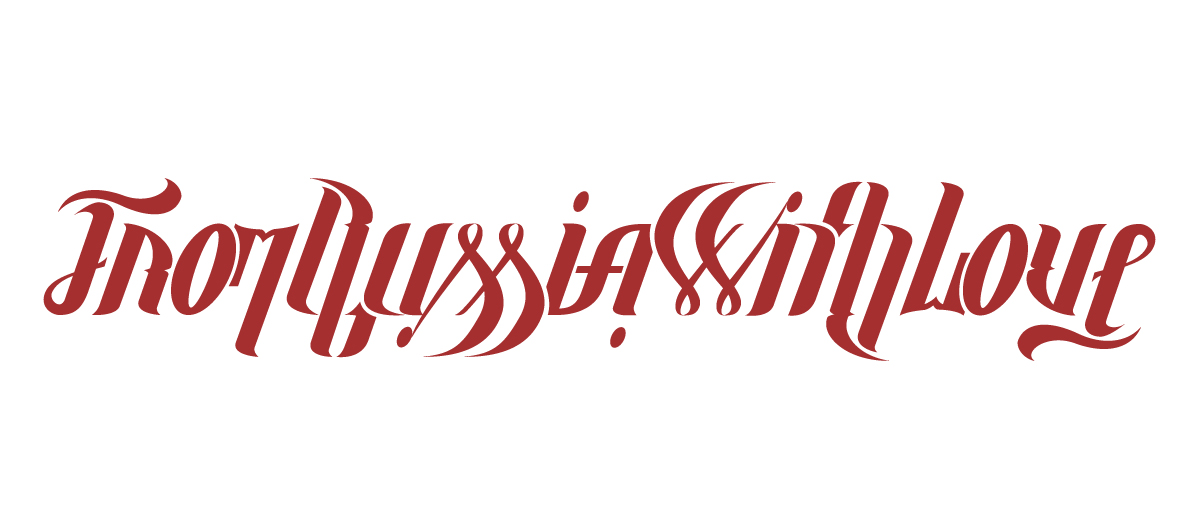 Russia With Love”, rotational ambigram unterart ambigram designhttps://unterart.files.wordpress.com/2011/03/from_russia_with_love.jpg
ambigram words
An ambigram is a expressed expression, talent or other symbolic representation whose elements preserve interpretation when seen or interpreted from some other direction, point of view, or orientation.
The meaning of the ambigram might either change, or stay the same, when interpreted or looked at from different perspectives.
Douglas R. Hofstadter represents an ambigram as a "calligraphic design that manages to squeeze two different readings in to the selfsame group of curves." Different ambigram music artists (sometimes called ambigramists) may create completely different ambigrams from the same phrase or words, differing in both form and style.
Discovery and popularity
The initial known non-natural ambigram dates to 1893 by musician Peter Newell. Although better known for his children's catalogs and illustrations for Draw Twain and Lewis Carroll, he shared two books of invertible illustrations, in which the picture turns into a different image totally when turned upside down. The last page in his publication Topsys & Turvys provides the phrase THE FINISH, which, when inverted, reads PUZZLE. In Topsys & Turvys Number 2 2 (1902), Newell finished with a deviation on the ambigram in which THE END changes into PUZZLE 2.
The Verbeek strip "The UpsideDowns of old man Muffaroo and little female Lovekins" used ambigrams in 3 consecutive strips in March,1904, but normally the format of the strip prevented the use of word balloons.
From to September June, 1908, the British monthly The Strand printed some ambigrams by different people in its "Curiosities" column. Of particular interest is the actual fact that all four of the folks submitting ambigrams presumed them to be a uncommon property of particular words. Mitchell T. Lavin, whose "chump" was released in June, wrote, "I think it is in the only term in the British language which has this peculiarity," while Clarence Williams composed, about his "Wager" ambigram, "Possibly B is really the only notice of the alphabet that will produce such an interesting anomaly."
In 1969, Raymond Loewy designed the rotational NEW MAN ambigram brand, today which continues to be in use. The mirror ambigram DeLorean Motor Company logo was first used in 1975.
John Langdon and Scott Kim also each presumed that that they had invented ambigrams in the 1970s. Langdon and Kim are most likely both artists who have been most responsible for the popularization of ambigrams. John Langdon produced the first reflection image logo "Starship" in 1975. Robert Petrick, who designed the invertible Angel logo design in 1976, was also an early on affect on ambigrams.
The earliest known published reference to the word ambigram was by Hofstadter, who attributed the origin of the expressed word to conversations among a small group of friends during 1983-1984. The initial 1979 edition of Hofstadter's G?del, Escher, Bach featured two 3-D ambigrams on the cover.
Ambigrams became popular as a result of Dan Brown incorporating John Langdon's designs in to the story of his bestseller, Angels & Demons, and the Dvd movie release of the Angels & Demons movie consists of a bonus chapter called "This is an Ambigram". Langdon also produced the ambigram that was used for some editions of the book's cover. Dark brown used the real name Robert Langdon for the hero in his books as an homage to John Langdon.
In music, the Grateful Deceased have used ambigrams several times, including on the albums American and Aoxomoxoa Beauty.
Within the first series of the United kingdom show Treat or Trick, the show's number and inventor Derren Brown uses credit cards with rotational ambigrams. These credit cards can read either 'Strategy' or 'Treat'.
Although what spelled by most ambigrams are short long relatively, one Disc cover for The Princess Bride movie creates a rotational ambigram out of two words: "Princess Bride," whether viewed right side up or ugly.
The Transformers movie series have logos that are a automatic robot face whether looked at right area up or ugly. You will find two such logos, one for an Autobot, and one for a Decepticon.
In 2015 iSmart's logo design using one of its travel chargers gone viral because upside-down it read "+Jews!" The ongoing company observed that "...we learned a robust lesson of what not to do when making a brand."
Types of Ambigram
Ambigrams are exercises in graphic design that play with optical illusions, symmetry and visual belief. Some ambigrams feature a romantic relationship between their form and their content. Ambigrams usually belong to one of several categories:
3-Dimensional
- A design where an object is offered that will appear to read several characters or words when looked at from different perspectives. Such designs can be generated using constructive solid geometry.
Chain
- A design where a expression (or sometimes words) are interlinked, forming a repeating chain. Letters are usually overlapped and therefore a phrase begins partway through another expressed word. Sometimes chain ambigrams are presented by means of a circle.
Dihedral
- An all natural mirror-image ambigram comprising numerical digits.
Figure-ground
- A design in which the spots between your words of one word form another phrase.
Fractal
- A version of space-filling ambigrams where the tiled phrase branches from itself and then shrinks in a self-similar manner, creating a fractal. See Scott Kim's fractal of the term "TREE" for an animated example.
Mirror-image
- A design that may be read when shown in a reflection, usually as the same phrase or phrase both ways. Ambigrams that form different words when viewed in the mirror are also called glass door ambigrams, because they could be printed out over a cup door to be read diversely when exiting or joining.
Multi-Lingual
- An ambigram that may be read one of many ways in a single terminology and another way in some other vocabulary. Multi-lingual ambigrams can exist in every of the various styles of ambigrams, with multi-lingual perceptual shift ambigrams being particularly striking.
Pin Ambigram Of The Words One Love Family Created For A Tattoo Design
 http://www.tattooshunt.com/images/04/colored-ink-ambigram-tattoos.jpg
quot; amp; quot;Alwaysquot; Ambigram v.2 A custom ambigram of the…
 https://c1.staticflickr.com/3/2696/4165979093_70d0872e1c.jpg
Ambigram: Love/Hate by jbadder on DeviantArt
 http://fc04.deviantart.net/fs71/f/2012/200/1/e/ambigram__love_hate_by_jb_adder-d57te2b.png
Russia With Love”, rotational ambigram unterart ambigram design
https://unterart.files.wordpress.com/2011/03/from_russia_with_love.jpgOIP.Mb0bf0bd4ee7f09f805219dfc7fb35ca1o0
96CD404452264B61FF621A98711D8884E5799023Ehttps://unterart.wordpress.com/2011/03/17/from-russia-with-love-rotational-ambigram/
Embed Our image to your website
ThumbnailImageEmbed Our image to a Forum
ThumbnailImage
Russia With Love”, rotational ambigram unterart ambigram design
 Ambigram Black Ink Word Tattoo Designhttp://www.tattooshunt.com/images/37/ambigram-black-ink-word-tattoo-design.jpg
ambigram words
An ambigram is a word, talent or other symbolic representation whose elements preserve meaning when looked at or interpreted from an alternative route, point of view, or orientation.
The meaning of the ambigram might either change, or continue to be the same, when looked at or interpreted from different perspectives.
Douglas R. Hofstadter represents an ambigram as a "calligraphic design that handles to squash two different readings into the selfsame set of curves." Different ambigram music artists (sometimes called ambigramists) may create very different ambigrams from the same phrase or words, differing in both form and style.
Popularity and discovery
The earliest known non-natural ambigram schedules to 1893 by designer Peter Newell. Although better known for his children's books and illustrations for Make Twain and Lewis Carroll, he released two catalogs of invertible illustrations, in which the picture turns into a different image completely when turned upside down. The past page in his book Topsys & Turvys provides the phrase The ultimate end, which, when inverted, reads PUZZLE. In Topsys & Turvys Number 2 2 (1902), Newell concluded with a variance on the ambigram where the END changes into PUZZLE 2.
The Verbeek strip "The UpsideDowns of old man Muffaroo and little woman Lovekins" used ambigrams in 3 consecutive strips in March,1904, but often the format of this remove averted the utilization of word balloons.
From to September June, 1908, the British regular The Strand printed a series of ambigrams by different people in its "Curiosities" column. Of particular interest is the actual fact that all four of the folks submitting ambigrams believed them to be a unusual property of particular words. Mitchell T. Lavin, whose "chump" was printed in June, had written, "I think it is in the only phrase in the English language which has this peculiarity," while Clarence Williams composed, about his "Bet" ambigram, "Possibly B is the only notice of the alphabet that will produce this interesting anomaly."
In 1969, Raymond Loewy designed the rotational NEW MAN ambigram company logo, today which continues to be in use. The mirror ambigram DeLorean Motor Logo design was first used in 1975.
John Langdon and Scott Kim each believed that they had created ambigrams in the 1970s also. Langdon and Kim are probably both artists who have been most responsible for the popularization of ambigrams. John Langdon produced the first mirror image brand "Starship" in 1975. Robert Petrick, who designed the invertible Angel logo design in 1976, was an early effect on ambigrams also.
The initial known published mention of the term ambigram was by Hofstadter, who attributed the origin of the expressed word to conversations among a small group of friends during 1983-1984. The initial 1979 edition of Hofstadter's G?del, Escher, Bach presented two 3-D ambigrams on the cover.
Ambigrams became popular therefore of Dan Brown incorporating John Langdon's designs into the plot of his bestseller, Angels & Demons, and the Movie release of the Angels & Demons movie includes a bonus chapter called "This is an Ambigram". Langdon also produced the ambigram that was used for a few versions of the book's cover. Brown used the name Robert Langdon for the hero in his novels as an homage to John Langdon.
In music, the Grateful Dead have used ambigrams many times, including on the albums American and Aoxomoxoa Beauty.
In the first series of the British isles show Treat or Trick, the show's number and inventor Derren Brown uses cards with rotational ambigrams. These credit cards can read either 'Strategy' or 'Treat'.
Although what spelled by most ambigrams are relatively brief in length, one Disc cover for The Princess Bride movie creates a rotational ambigram out of two words: "Princess Bride-to-be," whether seen right area or upside down up.
The Transformers movie series have logos that are a robot face whether viewed right part up or upside down. You will discover two such logos, one for an Autobot, and one for a Decepticon.
In 2015 iSmart's emblem on one of its travel chargers went viral because upside-down it read "+Jews!" The ongoing company observed that "...we learned a robust lessons of what not to do when making a company logo."
Types of Ambigram
Ambigrams are exercises in graphical design that play with optical illusions, symmetry and visible belief. Some ambigrams include a relationship between their form and their content. Ambigrams usually fall into one of the categories:
3-Dimensional
- A design where an object is provided that can look to learn several characters or words when seen from different perspectives. Such designs can be produced using constructive stable geometry.
Chain
- A design where a word (or sometimes words) are interlinked, creating a repeating chain. Characters are usually overlapped and therefore a term begins partway through another word. String ambigrams are provided by means of a group sometimes.
Dihedral
- A natural mirror-image ambigram comprising numerical digits.
Figure-ground
- A design in which the spaces between your letters of one expression form another expressed word.
Fractal
- A version of space-filling ambigrams where the tiled term branches from itself and then shrinks in a self-similar manner, developing a fractal. See Scott Kim's fractal of the word "TREE" for an animated example.
Mirror-image
- A design that may be read when mirrored in a reflection, usually as the same word or expression both ways. Ambigrams that form different words when viewed in the mirror are also known as glass door ambigrams, because they could be printed on a goblet door to be read in another way when exiting or stepping into.
Multi-Lingual
- An ambigram that can be read a proven way in a single dialect and another real way in some other terms. Multi-lingual ambigrams can exist in all of the various styles of ambigrams, with multi-lingual perceptual shift ambigrams being particularly striking.
responses to “ Ambigrams ”
 http://serenblip.files.wordpress.com/2011/06/ambigram.png
Unique Ambigram Word Tattoo On Bicep
 http://www.goluputtar.com/wp-content/uploads/2015/12/Unique-Ambigram-Word-Tattoo-On-Bicep.jpg
DMTGalina: Ambigram One word that when flipped becomes another word
 https://blogger.googleusercontent.com/img/b/R29vZ2xl/AVvXsEgj_boyleai3fxvLSoOVYUdVyq70FIezFxTfKKuLmjrmGCm7r8z7Y-SaC4mFRW93jWVmSk7LKm1lmIR-6x-q61aARuIx54br4vtXj-Mvw8iShoCQ-rEAVKD4B_oixpXUFaVBhUYDydRSa-6/s1600/9galinaambi.jpg
AUSTIN CONNER – Digital Drawing
 http://xambigramsx.files.wordpress.com/2010/06/austin-conner-jpg.jpg
OIP.M726ed51276444efb872f51b6037116c3o0
36EFA508E5C7167D0F86C0BF4726EB80EABF37F9BEhttp://www.tattooshunt.com/tattoos/ambigram/page/329/
Embed Our image to your website
ThumbnailImageEmbed Our image to a Forum
ThumbnailImage
Ambigram Black Ink Word Tattoo Design
 ambigram words group picture, image by tag keywordpictures.comhttp://s2.hubimg.com/u/789845_f520.jpg
ambigram words
An ambigram is a term, talent or other symbolic representation whose elements hold on to interpretation when looked at or interpreted from an alternative path, perspective, or orientation.
This is of the ambigram might either change, or continue to be the same, when interpreted or looked at from different perspectives.
Douglas R. Hofstadter describes an ambigram as a "calligraphic design that handles to squeeze two different readings in to the selfsame group of curves." Different ambigram artists (sometimes called ambigramists) may create very different ambigrams from the same term or words, differing in both form and style.
Popularity and discovery
The earliest known non-natural ambigram dates to 1893 by artist Peter Newell. Although better known for his children's literature and illustrations for Draw Twain and Lewis Carroll, he published two books of invertible illustrations, in which the picture turns into a different image when turned upside down entirely. The last page in his publication Topsys & Turvys contains the phrase The ultimate end, which, when inverted, reads PUZZLE. In Topsys & Turvys Number 2 2 (1902), Newell ended with a variance on the ambigram in which THE final end changes into PUZZLE 2.
The Verbeek strip "The UpsideDowns of old man Muffaroo and little woman Lovekins" used ambigrams in 3 consecutive whitening strips in March,1904, but often the format of this remove avoided the use of expression balloons.
From to September June, 1908, the British regular The Strand posted a series of ambigrams by different people in its "Curiosities" column. Of particular interest is the actual fact that all four of the people submitting ambigrams presumed them to be always a exceptional property of particular words. Mitchell T. Lavin, whose "chump" was published in June, composed, "I believe it is in the only expression in the British language which includes this peculiarity," while Clarence Williams wrote, about his "Bet" ambigram, "Possibly B is really the only notice of the alphabet that will produce such an interesting anomaly."
In 1969, Raymond Loewy designed the rotational NEW MAN ambigram company logo, today which is still in use. The mirror ambigram DeLorean Motor Company logo was first found in 1975.
John Langdon and Scott Kim each believed that they had created ambigrams in the 1970s also. Langdon and Kim are most likely both artists who have been most responsible for the popularization of ambigrams. John Langdon produced the first mirror image custom logo "Starship" in 1975. Robert Petrick, who designed the invertible Angel brand in 1976, was an early impact on ambigrams also.
The earliest known published reference to the term ambigram was by Hofstadter, who attributed the origin of the expressed word to conversations among a little group of friends during 1983-1984. The original 1979 edition of Hofstadter's G?del, Escher, Bach presented two 3-D ambigrams on the cover.
Ambigrams became popular because of this of Dan Brown incorporating John Langdon's designs into the story of his bestseller, Angels & Demons, and the Movie release of the Angels & Demons movie is made up of a bonus chapter called "That is an Ambigram". Langdon also produced the ambigram that was used for some versions of the book's cover. Brown used the name Robert Langdon for the hero in his books as an homage to John Langdon.
In music, the Grateful Dead have used ambigrams several times, including on the albums Aoxomoxoa and American Beauty.
In the first group of the English show Trick or Treat, the show's number and creator Derren Brown uses cards with rotational ambigrams. These cards can read either 'Trick' or 'Treat'.
Although what spelled by most ambigrams are relatively short in length, one Dvd movie cover for The Princess Bride-to-be movie creates a rotational ambigram out of two words: "Princess Bride-to-be," whether looked at right side up or ugly.
The Transformers movie series have logos that are a automatic robot face whether viewed right part up or upside down. You can find two such logos, one for an Autobot, and one for a Decepticon.
In 2015 iSmart's emblem on one of its travel chargers proceeded to go viral because upside-down it read "+Jews!" The business observed that "...we learned a powerful lessons of what not to do when creating a custom logo."
Types of Ambigram
Ambigrams are exercises in graphic design that play with optical illusions, symmetry and visual perception. Some ambigrams feature a marriage between their form and their content. Ambigrams usually fall into one of several categories:
3-Dimensional
- A design where an subject is provided that will appear to read several characters or words when seen from different sides. Such designs can be produced using constructive stable geometry.
Chain
- A design where a word (or sometimes words) are interlinked, building a repeating chain. Words are usually overlapped meaning that a term will start partway through another term. Sometimes chain ambigrams are presented by means of a circle.
Dihedral
- A natural mirror-image ambigram comprising numerical digits.
Figure-ground
- A design in which the spots between your words of 1 expression form another portrayed expression.
Fractal
- A version of space-filling ambigrams where the tiled phrase branches from itself and then shrinks in a self-similar manner, building a fractal. See Scott Kim's fractal of the term "TREE" for an animated example.
Mirror-image
- A design that can be read when shown in a mirror, usually as the same expression or phrase both ways. Ambigrams that form different words when viewed in the mirror are also known as glass door ambigrams, because they could be paper on a a glass door to be read in different ways when exiting or going into.
Multi-Lingual
- An ambigram that may be read the best way in a single language and another way in a new vocabulary. Multi-lingual ambigrams can exist in every of the many styles of ambigrams, with multi-lingual perceptual shift ambigrams being particularly striking.
Ambigram Black Ink Word Tattoo Design
http://www.tattooshunt.com/images/37/ambigram-black-ink-word-tattoo-design.jpgAmbigram Designs This is the original design:
 http://unterart.files.wordpress.com/2010/07/alwaysinmyheart2.jpg
ambigram words group picture, image by tag keywordpictures.com
http://s2.hubimg.com/u/789845_f520.jpgIntuitive Font Creation
 http://ministryoftype.co.uk/content/words/article/97-ambigrams/ambigram-2.png
OIP.M7e12e15668879583724d21d497db2502o0
14618F97BA855B14D3D4D6F904D91B48558AB95EBEhttp://www.keywordpicture.com/keyword/ambigram%20words/
Embed Our image to your website
ThumbnailImageEmbed Our image to a Forum
ThumbnailImage


