Showing posts with label Something. Show all posts
 70: Name ambigrams Something a weekhttp://somethingaweek.files.wordpress.com/2011/07/melinda-and-andrew.png
ambigram words
An ambigram is a word, talent or other symbolic representation whose elements retain so this means when interpreted or seen from another way, point of view, or orientation.
The meaning of the ambigram might either change, or remain the same, when interpreted or seen from different perspectives.
Douglas R. Hofstadter explains an ambigram as a "calligraphic design that handles to press two different readings in to the selfsame set of curves." Different ambigram artists (sometimes called ambigramists) may create very different ambigrams from the same phrase or words, differing in both style and form.
Discovery and popularity
The initial known non-natural ambigram dates to 1893 by artist Peter Newell. Although better known for his children's catalogs and illustrations for Mark Twain and Lewis Carroll, he released two catalogs of invertible illustrations, in which the picture turns into a different image totally when turned upside down. The past page in his book Topsys & Turvys contains the phrase THE final end, which, when inverted, reads PUZZLE. In Topsys & Turvys Number 2 2 (1902), Newell ended with a variance on the ambigram in which THE END changes into PUZZLE 2.
The Verbeek strip "The UpsideDowns of old man Muffaroo and little girl Lovekins" used ambigrams in 3 consecutive strips in March,1904, but in any other case the format of the use was avoided by this remove of phrase balloons.
From to September June, 1908, the English monthly The Strand printed some ambigrams by differing people in its "Curiosities" column. Of particular interest is the actual fact that four of the folks submitting ambigrams presumed them to be a rare property of particular words. Mitchell T. Lavin, whose "chump" was released in June, had written, "I believe it is in the only phrase in the British language which includes this peculiarity," while Clarence Williams composed, about his "Gamble" ambigram, "Possibly B is the one letter of the alphabet that will produce such an interesting anomaly."
In 1969, Raymond Loewy designed the rotational NEW MAN ambigram brand, which continues to be used today. The mirror ambigram DeLorean Motor Company logo was first used in 1975.
John Langdon and Scott Kim also each assumed that they had created ambigrams in the 1970s. Langdon and Kim are most likely both artists who've been most accountable for the popularization of ambigrams. John Langdon produced the first reflection image logo design "Starship" in 1975. Robert Petrick, who designed the invertible Angel logo in 1976, was also an early influence on ambigrams.
The initial known published mention of the term ambigram was by Hofstadter, who attributed the origin of the expressed word to conversations among a tiny group of friends during 1983-1984. The initial 1979 edition of Hofstadter's G?del, Escher, Bach included two 3-D ambigrams on the cover.
Ambigrams became more popular because of this of Dan Dark brown incorporating John Langdon's designs into the storyline of his bestseller, Angels & Demons, and the Disc release of the Angels & Demons movie consists of a bonus section called "That is an Ambigram". Langdon also produced the ambigram that was used for a few editions of the book's cover. Dark brown used the name Robert Langdon for the hero in his books as an homage to John Langdon.
In music, the Grateful Deceased have used ambigrams several times, including on the albums American and Aoxomoxoa Beauty.
In the first series of the British show Treat or Technique, the show's coordinator and inventor Derren Brown uses cards with rotational ambigrams. These credit cards can read either 'Trick' or 'Treat'.
Although the words spelled by most ambigrams are relatively short long, one Dvd movie cover for The Princess Bride movie creates a rotational ambigram out of two words: "Princess Bride-to-be," whether viewed right part up or upside down.
The Transformers movie series have logos that are a robot face whether looked at right aspect up or ugly. There are two such logos, one for an Autobot, and one for a Decepticon.
In 2015 iSmart's company logo on one of its travel chargers proceeded to go viral because upside-down it read "+Jews!" The ongoing company known that "...we learned a powerful lessons of what never to do when creating a brand."
Types of Ambigram
Ambigrams are exercises in graphical design that play with optical illusions, symmetry and visible understanding. Some ambigrams include a marriage between their form and their content. Ambigrams usually fall into one of the categories:
3-Dimensional
- A design where an object is offered that will appear to learn several words or words when looked at from different sides. Such designs can be made using constructive solid geometry.
Chain
- A design in which a expression (or sometimes words) are interlinked, developing a repeating chain. Characters are usually overlapped and therefore a term will start partway through another term. Sometimes chain ambigrams are presented in the form of a circle.
Dihedral
- An all natural mirror-image ambigram comprising numerical digits.
Figure-ground
- A design where the spots between your words of 1 expression form another expressed term.
Fractal
- A version of space-filling ambigrams where the tiled expression branches from itself and then shrinks in a self-similar manner, developing a fractal. See Scott Kim's fractal of the word "TREE" for an animated example.
Mirror-image
- A design that may be read when shown in a reflection, as the same phrase or expression both ways usually. Ambigrams that form different words when viewed in the mirror are also known as glass door ambigrams, because they could be printed on a glass door to be read differently when entering or exiting.
Multi-Lingual
- An ambigram that may be read one way in a single vocabulary and another real way in another type of vocabulary. Multi-lingual ambigrams can exist in all of the various varieties of ambigrams, with multi-lingual perceptual move ambigrams being attractive especially.
tomcdonnell.net
 http://tomcdonnell.com/content/art/word_art/ambigram_justin_hockley.jpg
If you guessed quot;cat vomit,quot; you39;re wrong. Here39;s the correc
 http://www.deke.com/files/images/Creative-art-ambigram.png
3D AMBIGRAMS CHAIN AMBIGRAMS FIGURE GROUND AMBIGRAMS MIRROR AMBIGRAMS
 http://www.vanishingtattoo.com/tds/images/brand_ambigram/brand_ambigram_large/ambigram_chain_006.jpg
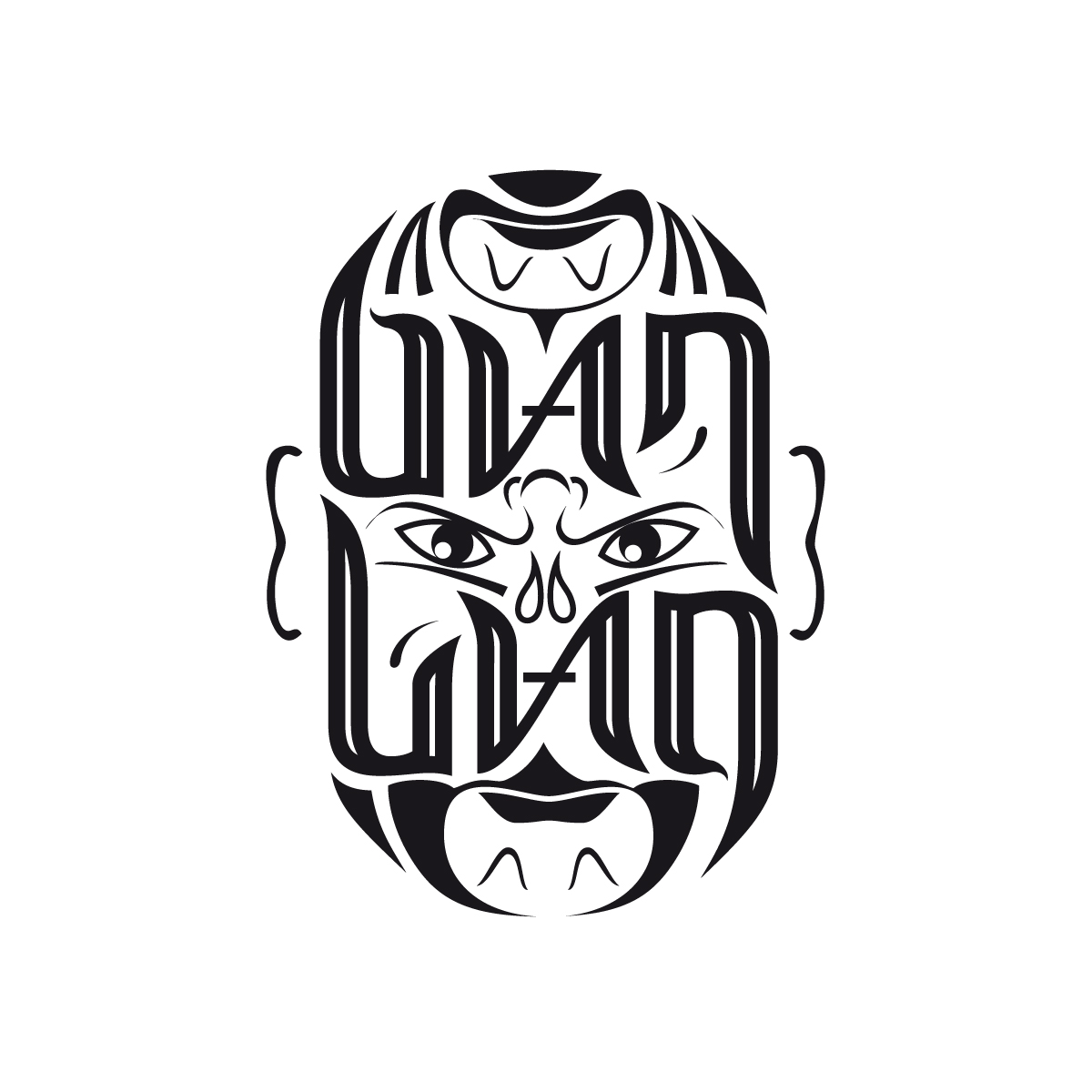
unterart ambigram design turning the world upside down
 https://unterart.files.wordpress.com/2012/04/03_bastianpinnenberg_acac022012.jpg
OIP.Mf1ca4959e0f0ae03c3e562bace6ec6a8o0
6B335BC486FA4BB6A7AF5AFE6858157C86C14813Fhttp://somethingaweek.wordpress.com/2011/07/23/70-name-ambigrams/
Embed Our image to your website
ThumbnailImageEmbed Our image to a Forum
ThumbnailImage
70: Name ambigrams Something a week
 74: Even more ambigrams Something a weekhttp://somethingaweek.files.wordpress.com/2011/08/palindrome.png%3Fw%3D600
ambigram words
An ambigram is a expressed phrase, art form or other symbolic representation whose elements retain so this means when interpreted or viewed from some other course, point of view, or orientation.
This is of the ambigram might either change, or continue to be the same, when seen or interpreted from different perspectives.
Douglas R. Hofstadter explains an ambigram as a "calligraphic design that manages to squeeze two different readings in to the selfsame group of curves." Different ambigram designers (sometimes called ambigramists) may create completely different ambigrams from the same phrase or words, differing in both form and style.
Popularity and discovery
The earliest known non-natural ambigram schedules to 1893 by musician Peter Newell. Although better known for his children's books and illustrations for Mark Twain and Lewis Carroll, he printed two literature of invertible illustrations, in which the picture turns into a different image when turned upside down entirely. The past page in his book Topsys & Turvys provides the phrase The ultimate end, which, when inverted, reads PUZZLE. In Topsys & Turvys Number 2 2 (1902), Newell finished with a variant on the ambigram in which THE last end changes into PUZZLE 2.
The Verbeek strip "The UpsideDowns of old man Muffaroo and little female Lovekins" used ambigrams in 3 consecutive strips in March,1904, but otherwise the format of the use was avoided by this remove of term balloons.
From June to September, 1908, the United kingdom regular The Strand printed some ambigrams by differing people in its "Curiosities" column. Of particular interest is the fact that all four of the individuals submitting ambigrams believed them to be a rare property of particular words. Mitchell T. Lavin, whose "chump" was printed in June, composed, "I believe it is in the only expression in the British language which includes this peculiarity," while Clarence Williams published, about his "Guess" ambigram, "Possibly B is the one letter of the alphabet that will produce such an interesting anomaly."
In 1969, Raymond Loewy designed the rotational NEW MAN ambigram brand, today which is still in use. The mirror ambigram DeLorean Motor Logo design was first found in 1975.
John Langdon and Scott Kim also each thought that that they had invented ambigrams in the 1970s. Langdon and Kim are most likely both artists who have been most responsible for the popularization of ambigrams. John Langdon produced the first mirror image logo "Starship" in 1975. Robert Petrick, who designed the invertible Angel custom logo in 1976, was an early affect on ambigrams also.
The earliest known published reference to the term ambigram was by Hofstadter, who attributed the origin of the word to conversations among a little group of friends during 1983-1984. The initial 1979 edition of Hofstadter's G?del, Escher, Bach featured two 3-D ambigrams on the cover.
Ambigrams became popular therefore of Dan Dark brown incorporating John Langdon's designs into the plot of his bestseller, Angels & Demons, and the DVD release of the Angels & Demons movie includes a bonus section called "That is an Ambigram". Langdon also produced the ambigram that was used for a few variants of the book's cover. Brown used the name Robert Langdon for the hero in his novels as an homage to John Langdon.
In music, the Grateful Dead have used ambigrams several times, including on their albums Aoxomoxoa and American Beauty.
In the first group of the British isles show Treat or Trick, the show's coordinator and inventor Derren Brown uses cards with rotational ambigrams. These cards can read either 'Trick' or 'Treat'.
Although what spelled by most ambigrams are short in length relatively, one DVD cover for The Princess Bride-to-be movie creates a rotational ambigram out of two words: "Princess Bride," whether looked at right side up or upside down.
The Transformers movie series have logos that are a robot face whether seen right side up or ugly. There are two such logos, one for an Autobot, and one for a Decepticon.
In 2015 iSmart's company logo using one of its travel chargers gone viral because upside-down it read "+Jews!" The ongoing company observed that "...we learned a powerful lessons of what never to do when making a logo."
Types of Ambigram
Ambigrams are exercises in graphic design that play with optical illusions, symmetry and visible notion. Some ambigrams include a romantic relationship between their form and their content. Ambigrams usually belong to one of several categories:
3-Dimensional
- A design where an subject is presented that will appear to read several words or words when viewed from different perspectives. Such designs can be made using constructive sturdy geometry.
Chain
- A design where a phrase (or sometimes words) are interlinked, creating a repeating chain. Words are usually overlapped meaning that a term will start partway through another portrayed phrase. String ambigrams are presented by means of a circle sometimes.
Dihedral
- An all natural mirror-image ambigram consisting of numerical digits.
Figure-ground
- A design where the spots between the letters of 1 word form another word.
Fractal
- A version of space-filling ambigrams where in fact the tiled word branches from itself and then shrinks in a self-similar manner, developing a fractal. See Scott Kim's fractal of the term "TREE" for an animated example.
Mirror-image
- A design that can be read when reflected in a reflection, usually as the same phrase or word both ways. Ambigrams that form different words when viewed in the mirror are also known as glass door ambigrams, because they could be imprinted over a a glass door to be read in another way when exiting or stepping into.
Multi-Lingual
- An ambigram that may be read the best way in a single dialect and one other way in another type of language. Multi-lingual ambigrams can exist in every of the many styles of ambigrams, with multi-lingual perceptual transfer ambigrams being eye-catching especially.
Double Words Optical Illusion Ambigram Polyvore
 http://www.polyvore.com/cgi/img-thing?.out=jpg&size=l&tid=12020831
Ambigram Tattoo Generator 03 Tattoospedia
 http://tattoospedia.com/tatuaje/Ambigram%20Tattoo%20Generator/Ambigram%20Tattoo%20Generator_03.jpg
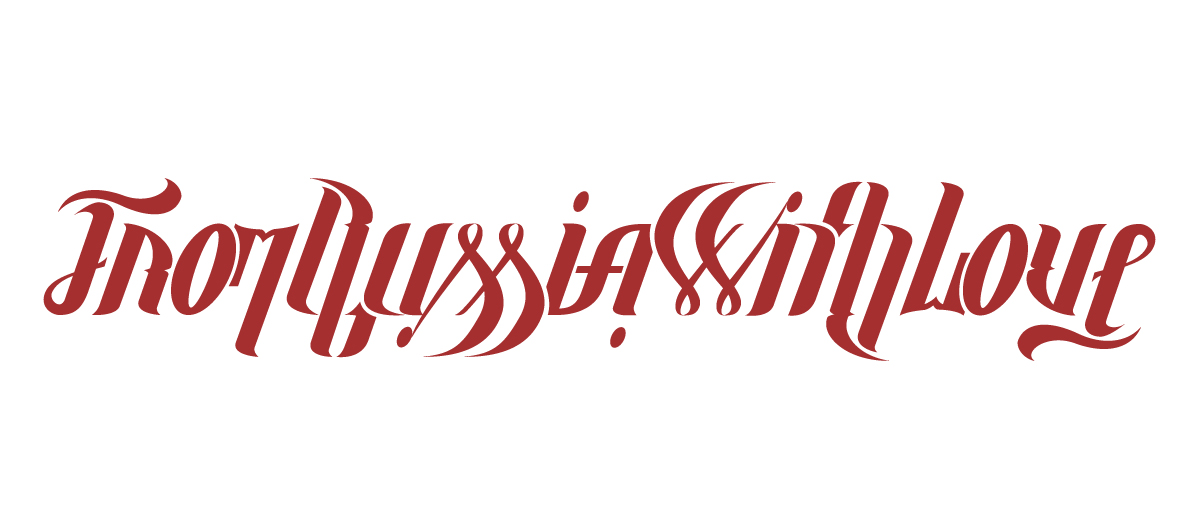
Russia With Love”, rotational ambigram unterart ambigram design
 https://unterart.files.wordpress.com/2011/03/from_russia_with_love.jpg
Peace” and “Love” in Ambigrams
 http://grandefalcone.files.wordpress.com/2012/11/ambigram-love.png?w=547
OIP.M5b24222e5e7b4af8abde2bb9a8223188o0
21B9A313B871FC3B576A813EBADC34634069EC3FB4http://somethingaweek.wordpress.com/2011/08/20/74-even-more-ambigrams/
Embed Our image to your website
ThumbnailImageEmbed Our image to a Forum
ThumbnailImage
74: Even more ambigrams Something a week
 70: Name ambigrams Something a weekhttps://somethingaweek.files.wordpress.com/2011/07/joshuajordanjacob.png
ambigram words
An ambigram is a phrase, art form or other symbolic representation whose elements retain so this means when viewed or interpreted from a different course, perspective, or orientation.
This is of the ambigram may either change, or stay the same, when looked at or interpreted from different perspectives.
Douglas R. Hofstadter details an ambigram as a "calligraphic design that handles to squeeze two different readings into the selfsame set of curves." Different ambigram designers (sometimes called ambigramists) may create completely different ambigrams from the same word or words, differing in both style and form.
Popularity and discovery
The initial known non-natural ambigram times to 1893 by musician Peter Newell. Although better known for his children's books and illustrations for Mark Twain and Lewis Carroll, he shared two literature of invertible illustrations, in which the picture turns into a different image when turned upside down entirely. The last page in his book Topsys & Turvys contains the phrase THE FINISH, which, when inverted, reads PUZZLE. In Topsys & Turvys Number 2 2 (1902), Newell concluded with a deviation on the ambigram where the END changes into PUZZLE 2.
The Verbeek remove "The UpsideDowns of old man Muffaroo and little lady Lovekins" used ambigrams in 3 consecutive strips in March,1904, but usually the format of the remove averted the utilization of word balloons.
From to September June, 1908, the United kingdom monthly The Strand published a series of ambigrams by differing people in its "Curiosities" column. Of particular interest is the fact that all four of the folks submitting ambigrams presumed them to be a unusual property of particular words. Mitchell T. Lavin, whose "chump" was shared in June, published, "I think it is in the only expression in the British language which has this peculiarity," while Clarence Williams had written, about his "Wager" ambigram, "Possibly B is the one notice of the alphabet that will produce such an interesting anomaly."
In 1969, Raymond Loewy designed the rotational NEW MAN ambigram brand, which is still in use today. The mirror ambigram DeLorean Motor Logo design was first found in 1975.
John Langdon and Scott Kim also each presumed that that they had created ambigrams in the 1970s. Langdon and Kim are most likely the two artists who have been most responsible for the popularization of ambigrams. John Langdon produced the first reflection image custom logo "Starship" in 1975. Robert Petrick, who designed the invertible Angel company logo in 1976, was an early affect on ambigrams also.
The earliest known published reference to the word ambigram was by Hofstadter, who attributed the origin of the expressed word to conversations among a tiny group of friends during 1983-1984. The original 1979 edition of Hofstadter's G?del, Escher, Bach presented two 3-D ambigrams on the cover.
Ambigrams became popular consequently of Dan Brown incorporating John Langdon's designs in to the storyline of his bestseller, Angels & Demons, and the Disc release of the Angels & Demons movie consists of a bonus section called "This is an Ambigram". Langdon also produced the ambigram that was used for some editions of the book's cover. Dark brown used the true name Robert Langdon for the hero in his books as an homage to John Langdon.
In music, the Grateful Deceased have used ambigrams several times, including on the albums Aoxomoxoa and American Beauty.
Inside the first series of the British isles show Trick or Treat, the show's variety and inventor Derren Dark brown uses cards with rotational ambigrams. These cards can read either 'Strategy' or 'Treat'.
Although what spelled by most ambigrams are relatively short in length, one Disc cover for The Princess Bride movie creates a rotational ambigram out of two words: "Princess Bride-to-be," whether seen right area or upside down up.
The Transformers movie series have logos that are a robot face whether seen right aspect up or upside down. There are two such logos, one for an Autobot, and one for a Decepticon.
In 2015 iSmart's emblem on one of its travel chargers went viral because upside-down it read "+Jews!" The ongoing company mentioned that "...we learned a robust lessons of what not to do when creating a brand."
Types of Ambigram
Ambigrams are exercises in graphical design that play with optical illusions, symmetry and aesthetic perception. Some ambigrams feature a marriage between their form and their content. Ambigrams usually get into one of the categories:
3-Dimensional
- A design where an object is offered that will appear to learn several words or words when seen from different sides. Such designs can be made using constructive sturdy geometry.
Chain
- A design in which a word (or sometimes words) are interlinked, creating a repeating string. Characters are usually overlapped and therefore a word will start partway through another portrayed expression. String ambigrams are offered in the form of a circle sometimes.
Dihedral
- A natural mirror-image ambigram comprising numerical digits.
Figure-ground
- A design where the spaces between the words of one phrase form another word.
Fractal
- A version of space-filling ambigrams where the tiled expression branches from itself and then shrinks in a self-similar manner, developing a fractal. See Scott Kim's fractal of the term "TREE" for an animated example.
Mirror-image
- A design that may be read when mirrored in a mirror, usually as the same expression or key phrase both ways. Ambigrams that form different words when viewed in the mirror are also known as glass door ambigrams, because they can be printed on a glass door to be read differently when entering or exiting.
Multi-Lingual
- An ambigram that may be read one way in a single language and another real way in another language. Multi-lingual ambigrams can exist in all of the various styles of ambigrams, with multi-lingual perceptual shift ambigrams being particularly striking.
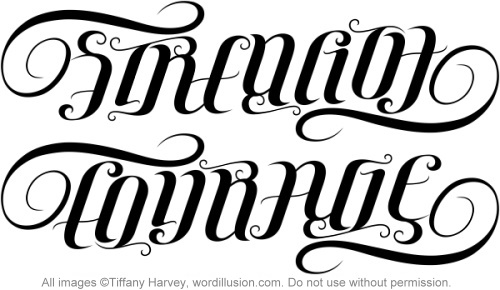
custom ambigram of the words quot;Strengthquot; amp; quot;Couragequot;,
 https://c2.staticflickr.com/4/3128/2534397935_784d9785bd.jpg
Ambigram Of The Words Faith And Trust Created For A Tattoo Design One
 http://www.tattooshunt.com/images/04/jesus-ambigram-tattoo-design.jpg
Nathaliequot; amp; quot;Real Lovequot; Ambigram Flickr Photo Sharing!
 http://farm8.staticflickr.com/7020/6487474045_0860cbbee2_z.jpg
Kittyquot; Ambigram Flickr Photo Sharing!
 http://farm9.staticflickr.com/8148/7117185897_bd833e63b2.jpg
OIP.M8221a23275ebe45de09f59a8c1eddf86o0
15EA096483A705E3D7B70B9183FD49A86165D4BB6Ahttps://somethingaweek.wordpress.com/2011/07/23/70-name-ambigrams/
Embed Our image to your website
ThumbnailImageEmbed Our image to a Forum
ThumbnailImage


